As I sit before the campfire in Faerûn, the scent of damp earth and ancient magic hanging in the air, I cannot help but reflect on the path that led me here. My hands, once stained with the Source of Rivellon, now bear the subtle, psychic taint of a Mind Flayer's parasite. I have journeyed from one world of wonder to another, guided by the same masterful hands at Larian Studios. Yet, is this new land of Baldur's Gate 3 merely a sequel, or is it the profound evolution of a dream we first glimpsed in Divinity: Original Sin 2? The whispers of the past and the vivid reality of the present tell me it is the latter—a magnificent step forward, where the pen-and-paper soul of Dungeons & Dragons has found its truest digital form.
🧟 The Art of Death: Necromancy Reborn
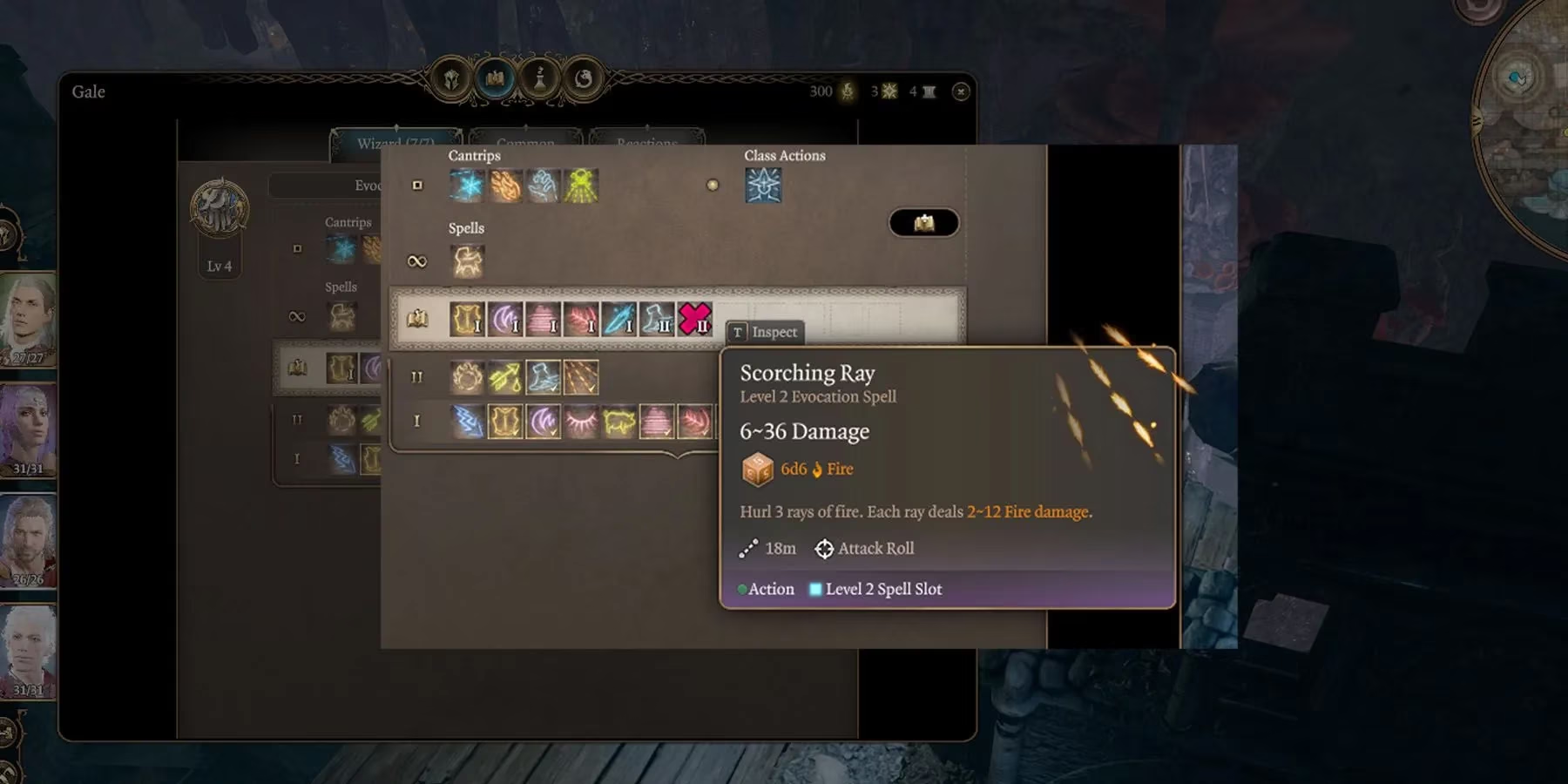
In Rivellon, Necromancy was a school of decay, a set of skills that siphoned life to sustain my own. It was powerful, yes, but contained. But here, in the shadowed corners of Faerûn, Necromancy has blossomed into a true art of dominion. The very essence of undeath feels more tangible, more expansive. Why merely leech life when you can command the fallen, bending multiple corpses to your will, creating a personal legion from the aftermath of battle? The toolkit has evolved from a theme of negation into a symphony of control, perfectly mirroring the grim possibilities I once only imagined while poring over dusty D&D tomes.
😈 The Shadow Within: The Dark Urge's Siren Song
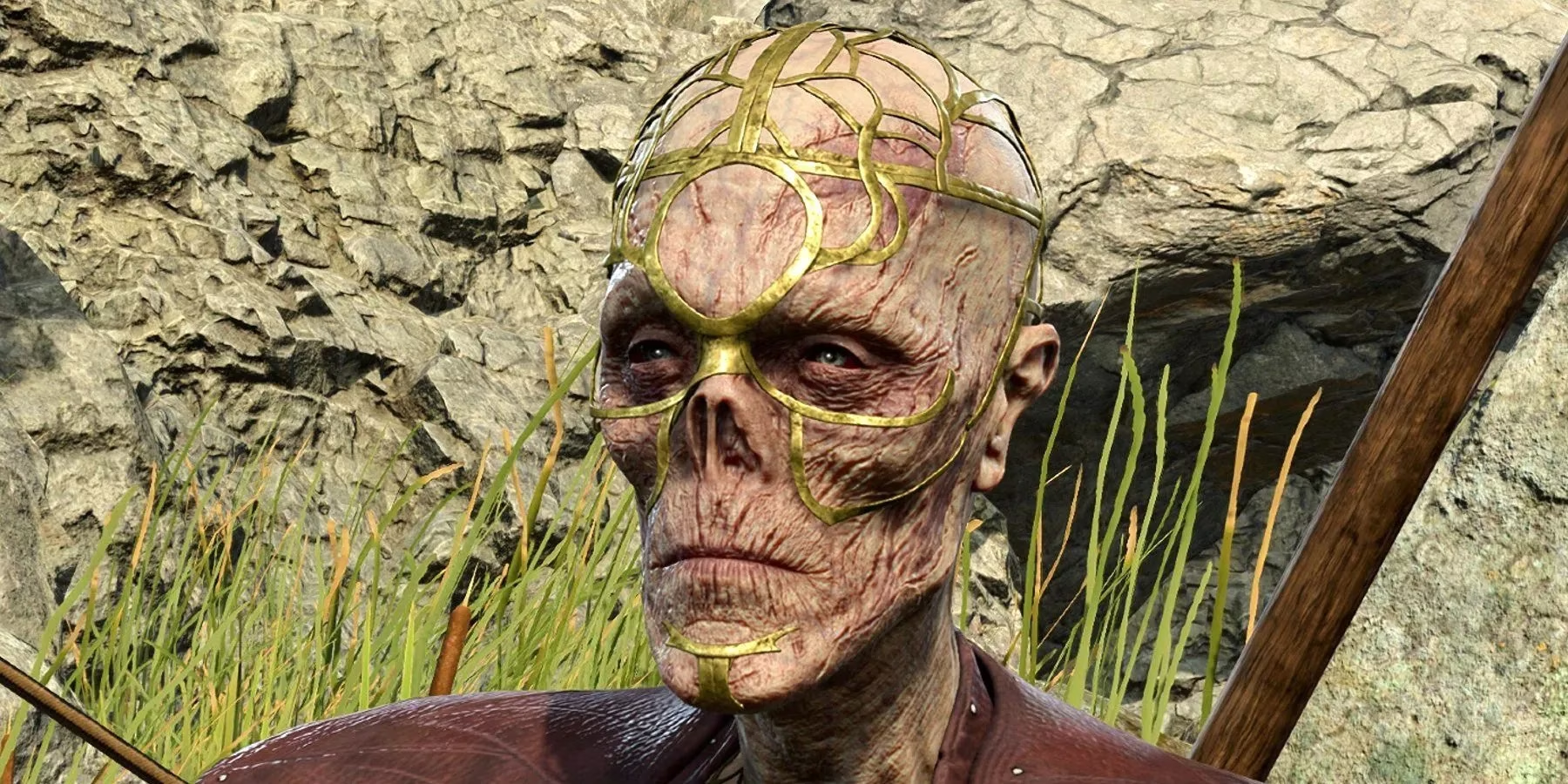
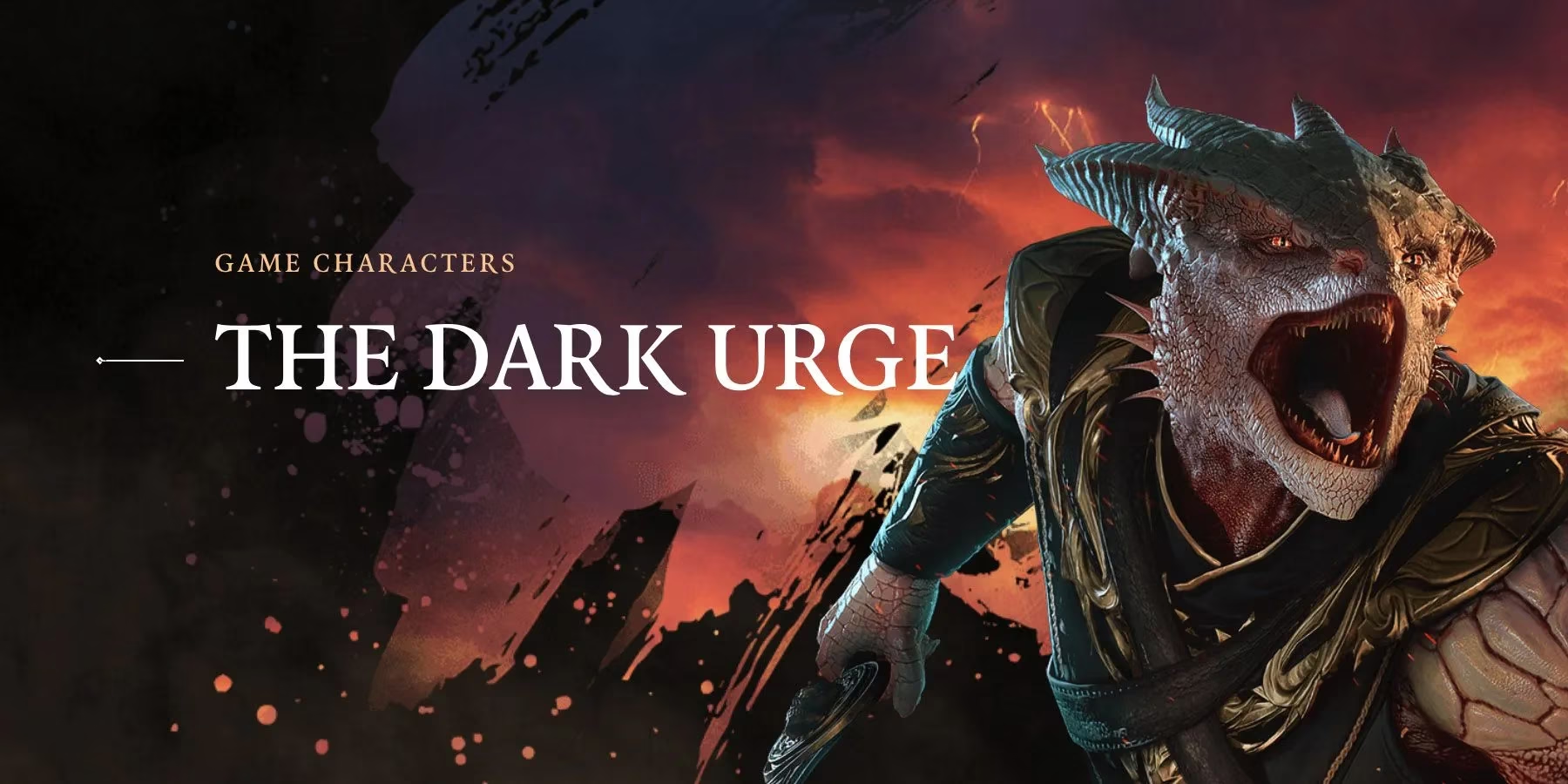
Both worlds offered me the chance to craft a hero from nothing. But Baldur's Gate 3 presented a more tantalizing, dangerous choice: the Dark Urge. At first, I thought it a simple path to villainy—a predefined evil origin. How wrong I was. This is not just another backstory; it is a separate, nuanced narrative woven directly into the fabric of the world. The temptation is constant, a whispering shadow that changes the context of every kindness, every violent act. My journey is no longer just about external threats, but an internal war. The story breathes differently when viewed through the eyes of this tormented soul, offering a depth of personal stakes that Rivellon's origins, for all their charm, could not quite reach.
🧀 The Joy of Breaking the Rules (Just Right)
Ah, the sweet art of "cheesing"—exploiting the world's logic to gain an unfair advantage. In Divinity, these moments sometimes felt like accidental bugs, glorious but slightly jarring breaks from reality. In Faerûn, they feel like discovering hidden, ancient lore. Pushing a boss into a chasm? A classic D&D tactic! Putting a merchant to sleep mid-conversation to rob them blind? That's not a glitch; it's creative problem-solving born from a rulebook decades in the making. The verticality of combat, the environmental interactions—they are not just features but invitations to think like a true adventurer, where every cliffside and dialogue window is a potential tool.
⚔️ The Min-Maxer's Playground
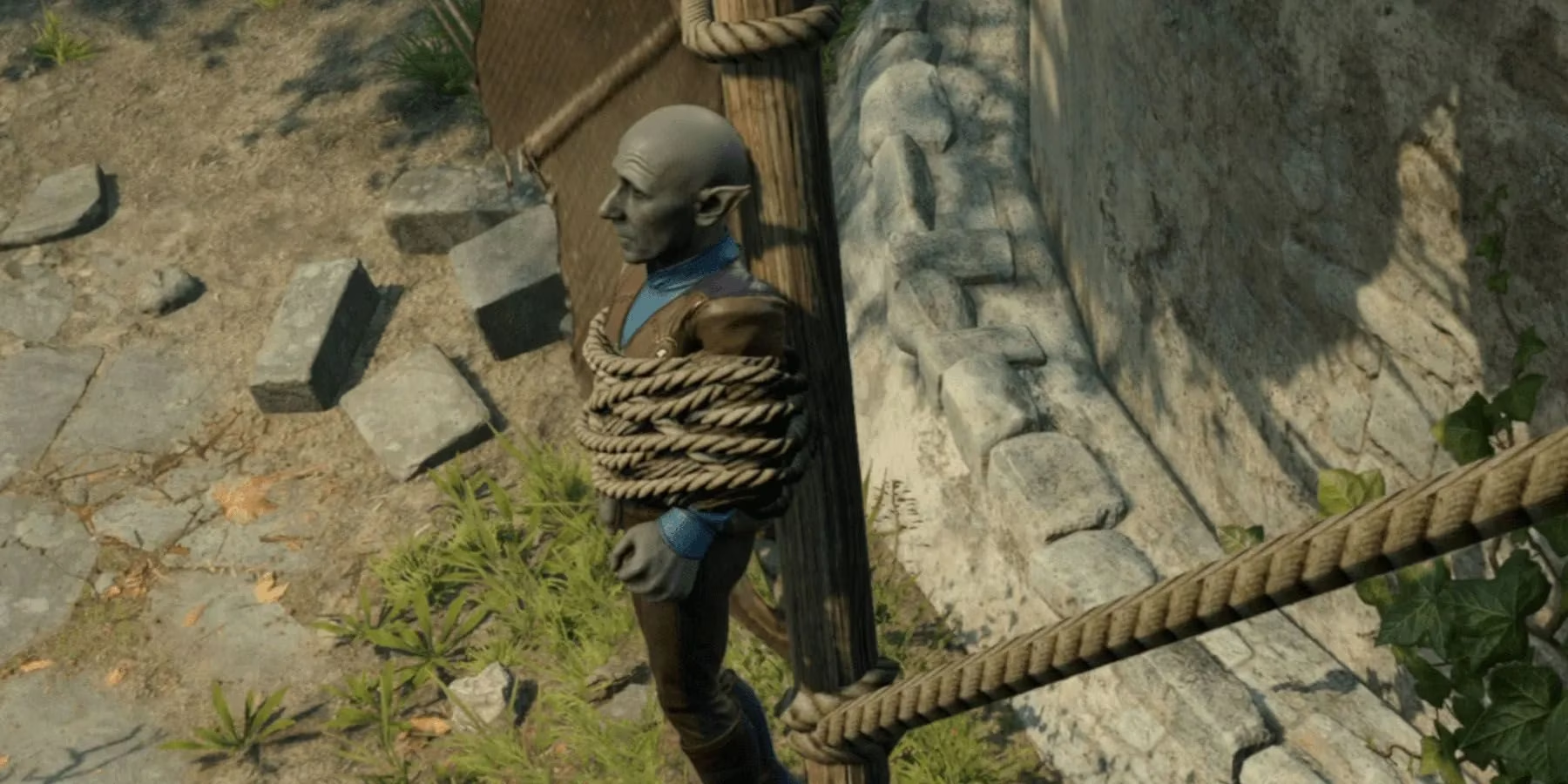
The freedom to build a character in Divinity was intoxicating—anyone could learn anything. But was that true freedom, or a lack of definition? Baldur's Gate 3, by embracing D&D 5e's structure, offers a different kind of liberty: the freedom to specialize profoundly. The classes have weight, history, and distinct identities. Multiclassing is a meaningful, costly choice, not a trivial toggle. This framework doesn't restrict; it challenges. It asks me to craft a build with intent, to seek those wacky, powerful synergies like combining the Polearm Master and Sentinel feats to control the battlefield. The min-maxing here feels earned, a puzzle to solve within a beloved and robust ruleset, promising satisfaction with every level gained.
| Aspect | Divinity: Original Sin 2 | Baldur's Gate 3 |
|---|---|---|
| Character System | Fluid, skill-based; any character can learn (almost) any skill. | Class-based with defined features & spell lists; meaningful multiclassing. |
| "Cheese" Tactics | Felt like emergent, sometimes bug-like exploits. | Feels like creative, rules-as-intended problem-solving. |
| World Depth | 15 years of Rivellon lore, rich and self-contained. | 30+ years of Forgotten Realms lore, deeply interconnected and vast. |
| Narrative Scope | Save the world as a Sourcerer/Godwoken. | Personal survival intertwined with a cosmic invasion; deeper character stakes. |
📜 A World Steeped in History
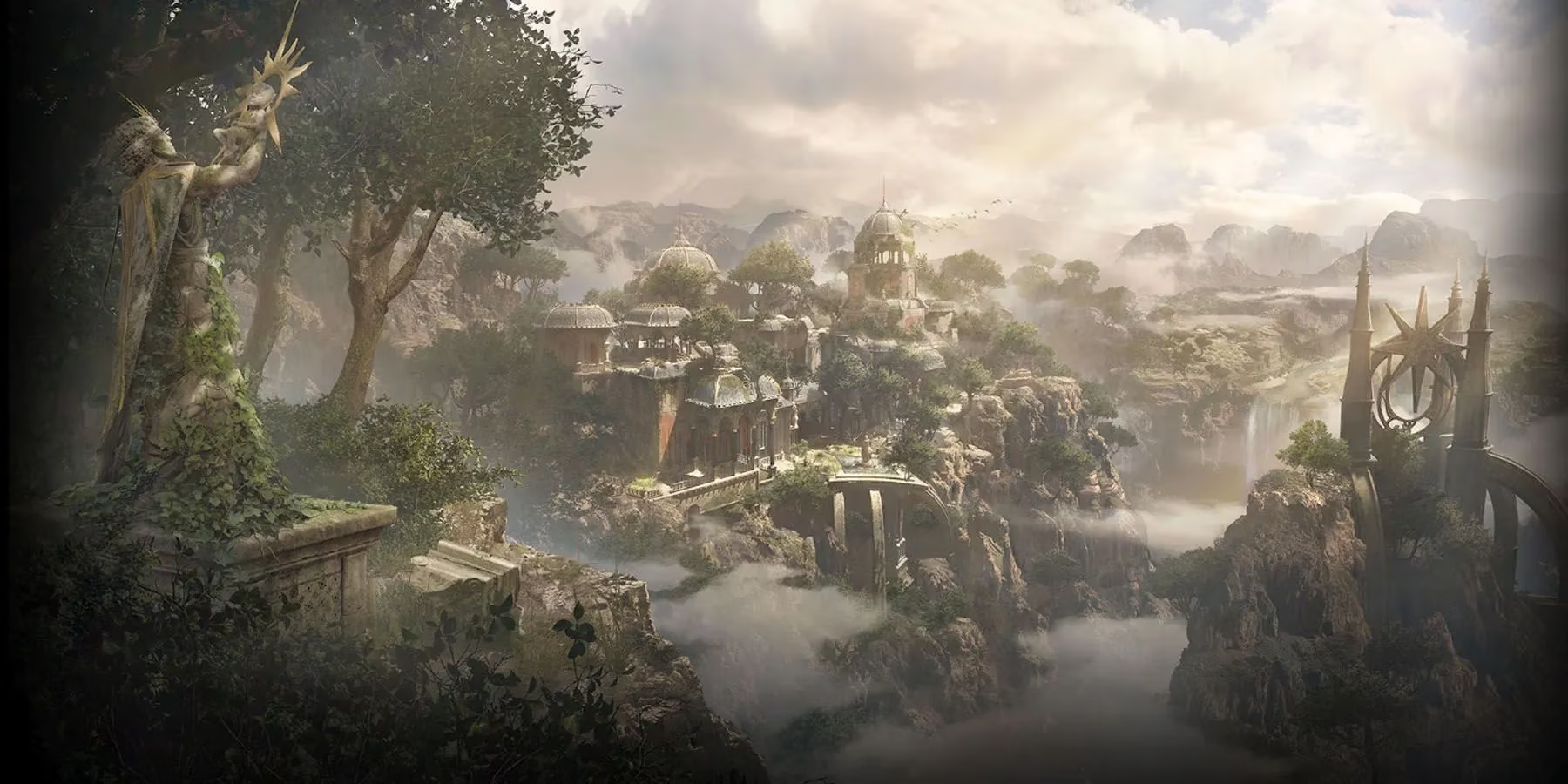
Rivellon was a beautiful, cohesive canvas. But Faerûn? It is a living library. Every side quest, every passive Perception check that prompts the narrator's voice, feels like turning a page in a decades-old epic. The factions—the Githyanki, the Harper's, the Absolute's cult—aren't just plot devices; they are institutions with histories I can almost touch. The game doesn't just tell me a story; it makes me a part of a continuing legend. The depth is immediate: the Githyanki hunting Mind Flayers, the Goblin tribes causing chaos, the internal strife within the Emerald Grove—all are logical, grounded reactions to the central crisis, making the world breathe with a consistency that only decades of lore can provide.
💔 Hearts Laid Bare: Romance and Intimacy
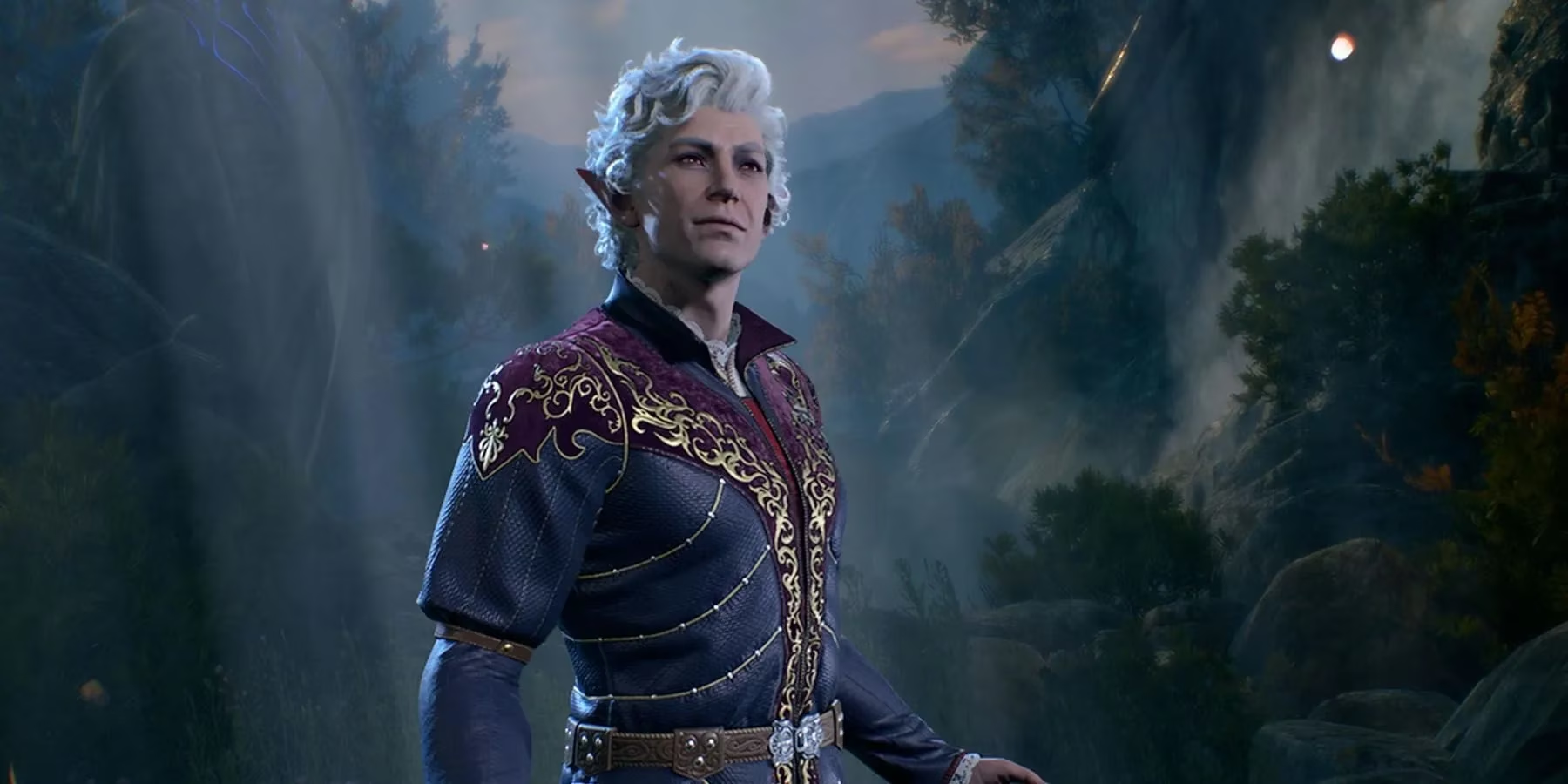
We formed bonds in Rivellon, but in Faerûn, we forge connections that feel scarily real. The companions of Baldur's Gate 3 are not just allies with quests; they are broken people whose personal struggles are inextricably linked to the parasite in our heads. Astarion's freedom from the sun, Gale's magical hunger, Wyll's pact—these aren't coincidences; they are the core of their being, challenged and changed by our shared affliction. This foundation makes romance not a simple checkbox, but a journey of mutual vulnerability. The game honors this with a startling level of personalization and respect, allowing intimacy to be as nuanced or as direct as I choose. It is a testament to how far interactive storytelling has come.
🧪 The Alchemist's Depth: Crafting with Purpose
I remember scavenging every bowl and mushroom in Rivellon, my inventory a chaotic alchemist's pantry. Crafting was useful, often essential. In Baldur's Gate 3, it feels impactful. Those same gathered herbs and minerals now create not just simple potions, but Elixirs that grant lasting powers and Coatings that fundamentally alter my weapons. The system encourages exploration and experimentation, rewarding my curiosity with tangible, strategic advantages that last beyond a single battle. It is a subtle but profound shift from utility to meaningful player agency.
✨ The Larian Legacy: A Studio's Ascent
This journey from Divinity to Baldur's Gate is more than a change of setting. It is the story of a studio mastering its craft. They took the boundless creativity and systemic depth of their own world and fused it with the rich, structured legacy of D&D. The result is a game that feels both familiar and revolutionary. It respects the rules enough to make breaking them delightful, and it loves its characters enough to make saving (or damning) them truly matter. As I prepare my spells for the next day's travel, I feel not that I have left Rivellon behind, but that I have carried its spirit forward into a grander, more intricate tale. The soul of pen-and-paper adventure has found its home, and I am here to live it.