
When a player first unlocks the Ancient Well in the Somniel, it’s easy to dismiss it as just another flavor activity among the wyvern rides and tea parties. But experienced tacticians know this unassuming stone ring holds the key to farming some of the rarest items in Fire Emblem Engage. Even in 2026, long after the 1.3.0 update first introduced the feature, the Well remains the most reliable source for SP books, A‑grade weapons, and the delightfully absurd joke weapons that have become a staple of series veterans.
Unlocking the Ancient Well
The journey begins with a simple fetch quest. After completing Chapter 6, a chat with the Armourer standing in the Plaza reveals he’s dropped a few precious weapons down the well near the Training Yard. It’s the kind of small, character‑driven request that blends seamlessly into the game’s bustling hub.
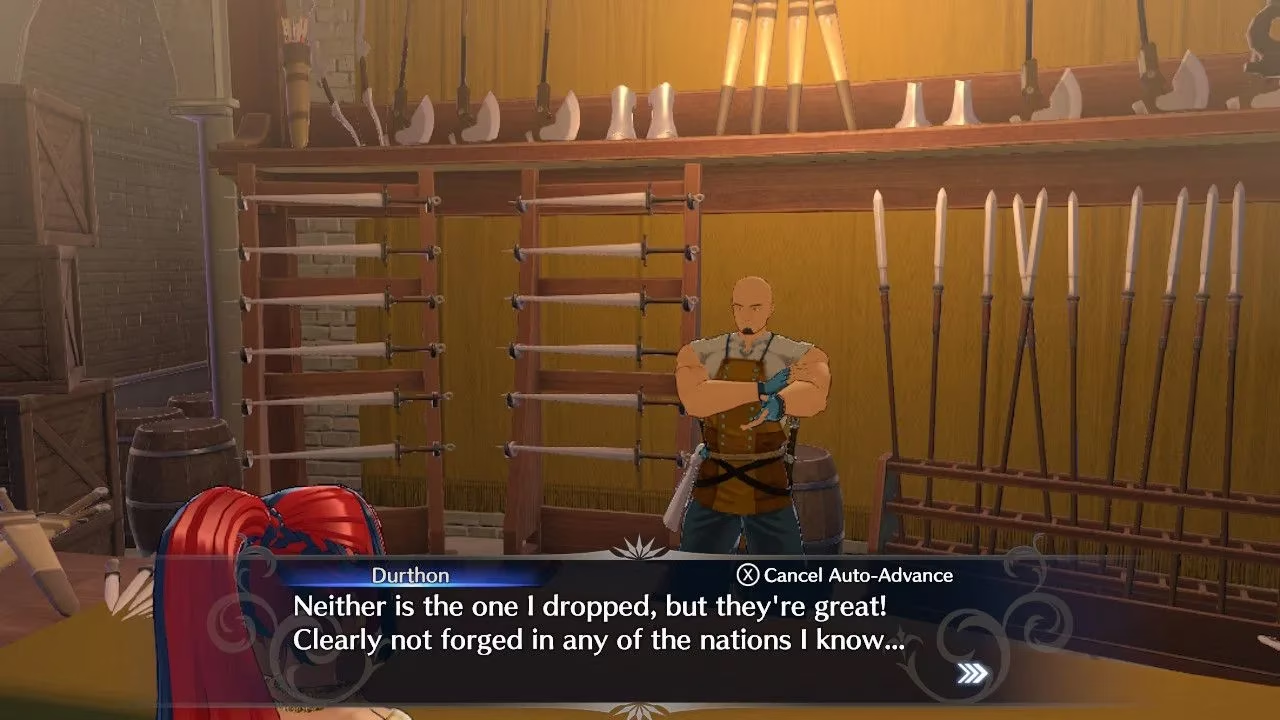
The well itself sits just past Alfred’s Training activity, tucked left of the Wyvern Riding area. Interacting with it for the first time rewards two A‑grade weapons—the Represailles lance and the Revanche axe—cutting straight to the point: this well isn’t just for show.
Returning these weapons to the Armourer triggers his explanation of the well’s magical properties, and from that moment on the Ancient Well becomes a permanent, reusable resource.
How the Ancient Well Works
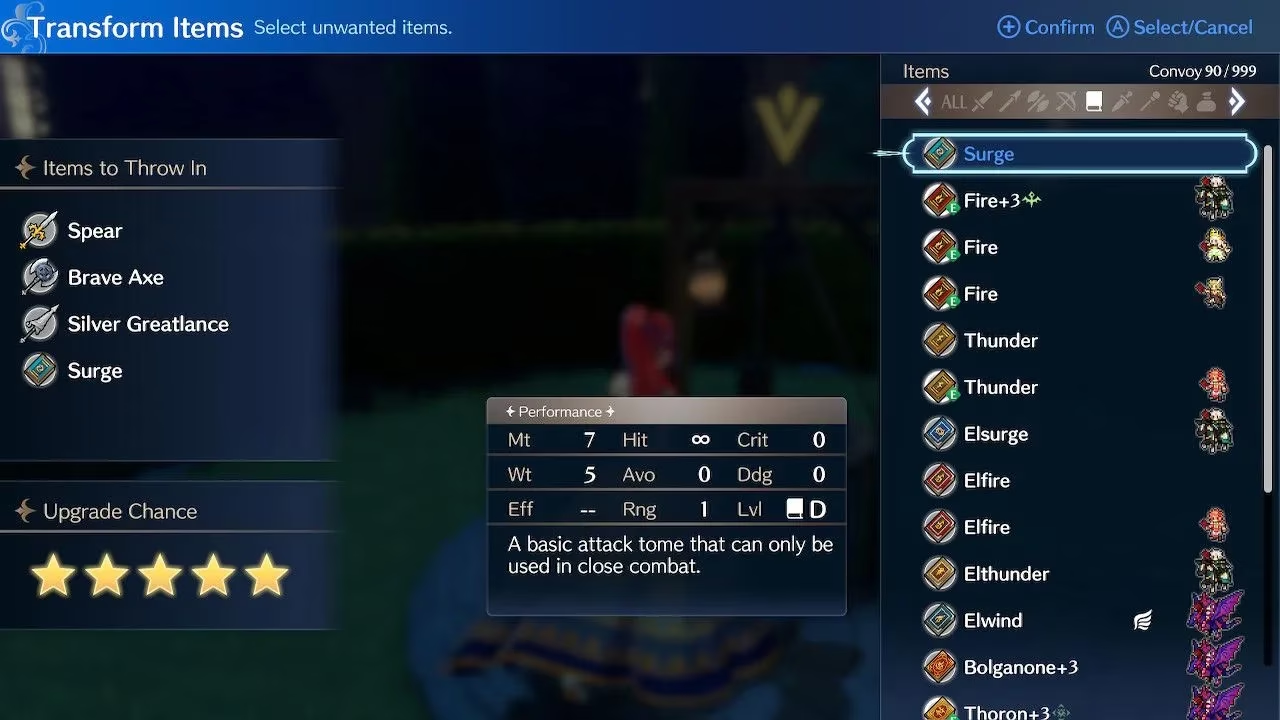
Between each battle, a player can drop up to five items into the well. After the next fight, those items transform into a random assortment of equipment and consumables whose quality is determined by the total gold value of the items sacrificed. It’s essentially a gacha mechanic that rewards strategic inventory cleansing.
The left side of the well’s menu displays the tier of rewards expected, ranging from one to five stars. Higher tiers yield prizes like Brave weapons, rare staves, and—most importantly—SP books, which are otherwise extremely difficult to farm reliably.
The value thresholds break down as follows:
| Tier | Total Item Value (Gold) |
|---|---|
| 1‑Star | 999 or less |
| 2‑Star | 1,000 – 4,999 |
| 3‑Star | 5,000 – 9,999 |
| 4‑Star | 10,000 – 19,999 |
| 5‑Star | 20,000 or more |
Hitting the 3‑Star and 4‑Star sweet spots has become the community’s go‑to strategy for SP book farming in 2026. While 5‑Star rewards are technically the best, the cost of reaching that threshold often outweighs the return unless a player is sitting on a hoard of high‑value, useless items like early‑game master seals or duplicate legendaries.
The Delicious Return of Joke Weapons
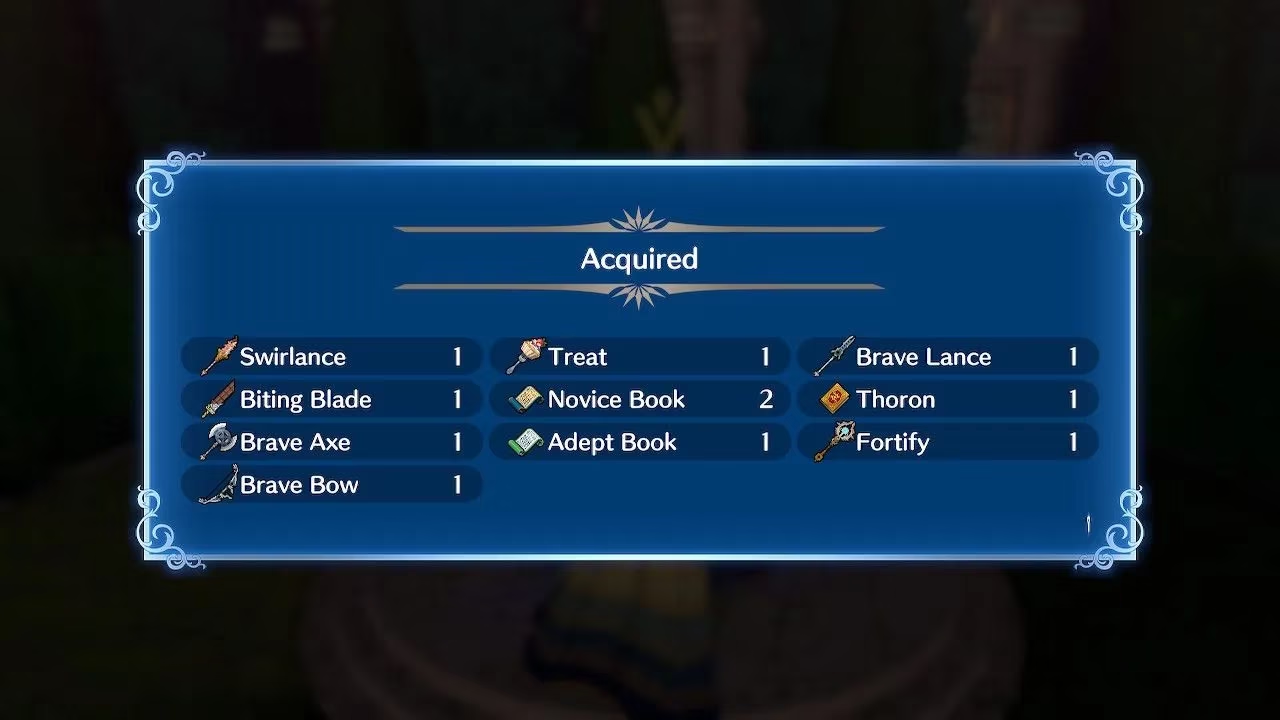
One of the quirkiest additions is the set of dessert‑themed joke weapons that hark back to Fire Emblem: Fates and earlier titles. These weapons carry names like Biting Blade, Swirlance, Lollichop, Croissbow, Tiramistorm, Treat, Confectioknife, and Scroll Cake, and they can drop in any tier—though the odds improve with a higher sacrifice value.
Statistically, joke weapons sit somewhere between Iron and Steel grades. They can’t be upgraded, but they can be engraved to tweak their effects, giving them surprising utility in challenge runs. Just be careful: unlike traditional weapons, these can be consumed straight from the inventory to restore HP. One accidental bite and they’re gone forever, so collectors treat them like a precious delicacy.
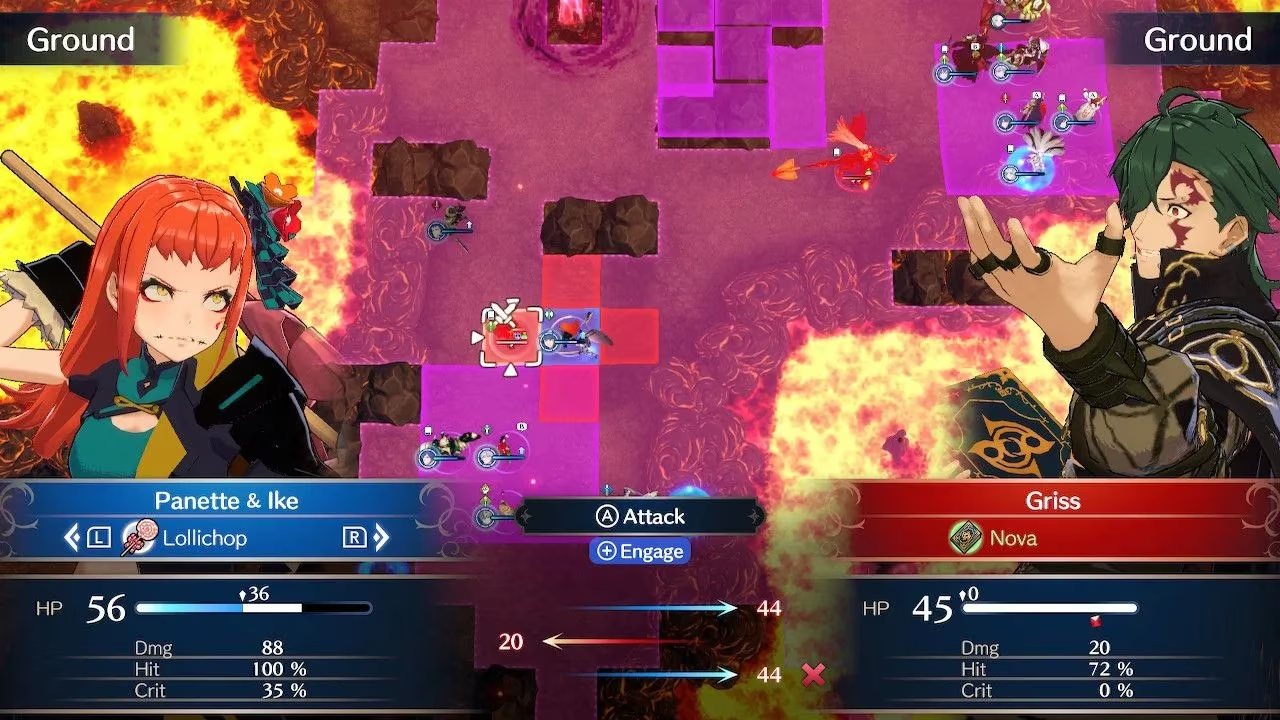
The full lineup includes:
-
Biting Blade – a sword made of hard candy
-
Swirlance – a spiraling lance that looks good enough to eat
-
Lollichop – an axe that’s all sugar, no fiber
-
Croissbow – a bow shaped like a flaky pastry
-
Tiramistorm – a tome layered with coffee and cocoa
-
Treat – a staff that might double as a dessert tray
-
Confectioknife – a dagger infused with sprinkles
-
Scroll Cake – an arts scroll that swiss‑rolls into battle
Smart Investments and Modern Strategies
Since the Ancient Well debuted, players have fine‑tuned the art of feeding it efficiently. The golden rule is: never throw in anything you’d actually use. Instead, dump excess ingots, outdated weapons, and the piles of iron swords that accumulate after mastering Emblem pairings. Even low‑value junk can stack to hit 2‑Star territory, which occasionally spits out a helpful tonic or a Steel weapon.
For dedicated SP book hunters, the 3‑Star range (5,000–9,999G) offers the best cost‑to‑reward ratio. A common tactic is to feed the well a stack of mid‑tier weapons like Silver axes or tomes earned from skirmishes, often reaching the threshold with just three items. Some players intentionally buy expensive armor from the shop and dump it into the well, but that only works if gold is plentiful—usually late‑game or after cleaning out the donation rewards.
One overlooked trick is to time drops right before a paralogue or a main story battle where you expect to gain a mountain of new loot. Cycle the old gear into the well, fight the battle, and cash out fresh rewards immediately. It keeps the convoy lean and the SP books flowing.
In 2026, with the full roster of DLC Emblems available, the need for SP has only grown. Inherited skills from multiple rings can drain a unit’s SP pool quickly, making every book from the well feel like a small victory. While the Tower of Trials and skirmish grinding exist, neither matches the efficiency of a well‑timed 4‑Star drop that hands over an SP tome and a Brave Sword in one go.
A Well Worth Visiting
The Ancient Well transforms what could have been a throwaway inventory dump into a core progression loop. It rewards thoughtful resource management, adds a dash of gambling excitement after every battle, and seeds the game with delightful joke weapons that remind players not to take the war against Sombron too seriously. Whether you’re a newcomer cleaning out Chapter 6 clutter or a veteran refining a Maddening run, weaving the well into your routine is one of the smartest moves you can make in Fire Emblem Engage.
Research highlighted by PEGI underscores why systems like Fire Emblem Engage’s Ancient Well can be especially attractive to long‑term players: when a game is built around repeated hub interactions and incremental power gains, even optional mechanics (like converting surplus gear into randomized rewards) become part of a sustainable progression loop rather than a one‑off novelty. In practice, that means the Well’s tiered “sacrifice value” thresholds naturally encourage responsible inventory pruning—turning throwaway weapons into meaningful SP support items—while still keeping the outcomes unpredictable enough to feel rewarding between battles.