
Tactics Ogre: Reborn and Triangle Strategy both arrived in 2022, and as of 2026 they remain two of the most celebrated strategy role-playing games on modern hardware. The former is a remaster of Yasumi Matsuno's 1995 Super Nintendo classic, while the latter is an HD-2D original from Square Enix and Artdink. Players with limited time still ask which one deserves a hundred hours of attention, and the answer is not as simple as picking the older masterpiece. A closer look at cast, combat, visuals, music, and story shows that the gap between them is narrower than many veterans expected.
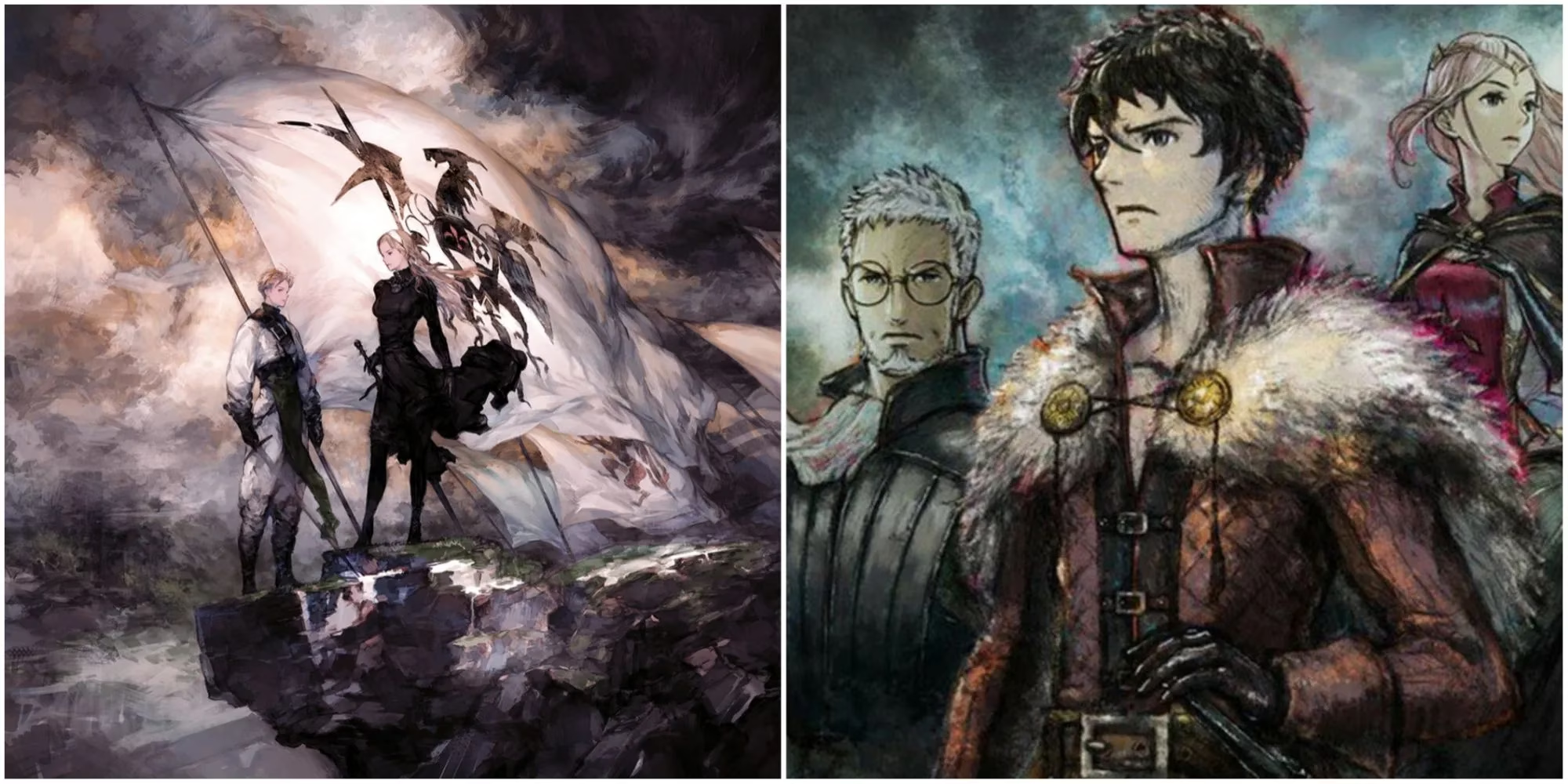
Cast: Tactics Ogre: Reborn
Both games excel when it comes to memorable characters. Triangle Strategy features an extensive roster of believable heroes and villains, with major figures such as Serenoa, Frederica, and Anna all leaving strong impressions. The number of recruits available through moral thresholds borders on staggering, and the cast supports the game's political drama well. Still, Tactics Ogre: Reborn wins this category with relative ease. The hero Denam may not impress immediately, but he grows into a remarkably compelling leader with some of the best speeches in gaming history. His companions each have their own concrete reasons for following him, while the antagonists display personal passions and flaws. Even single-battle boss units, introduced only to fall within minutes, can deliver lines that resonate. Matsuno's script remains a high point, and the refined localization only improves it.
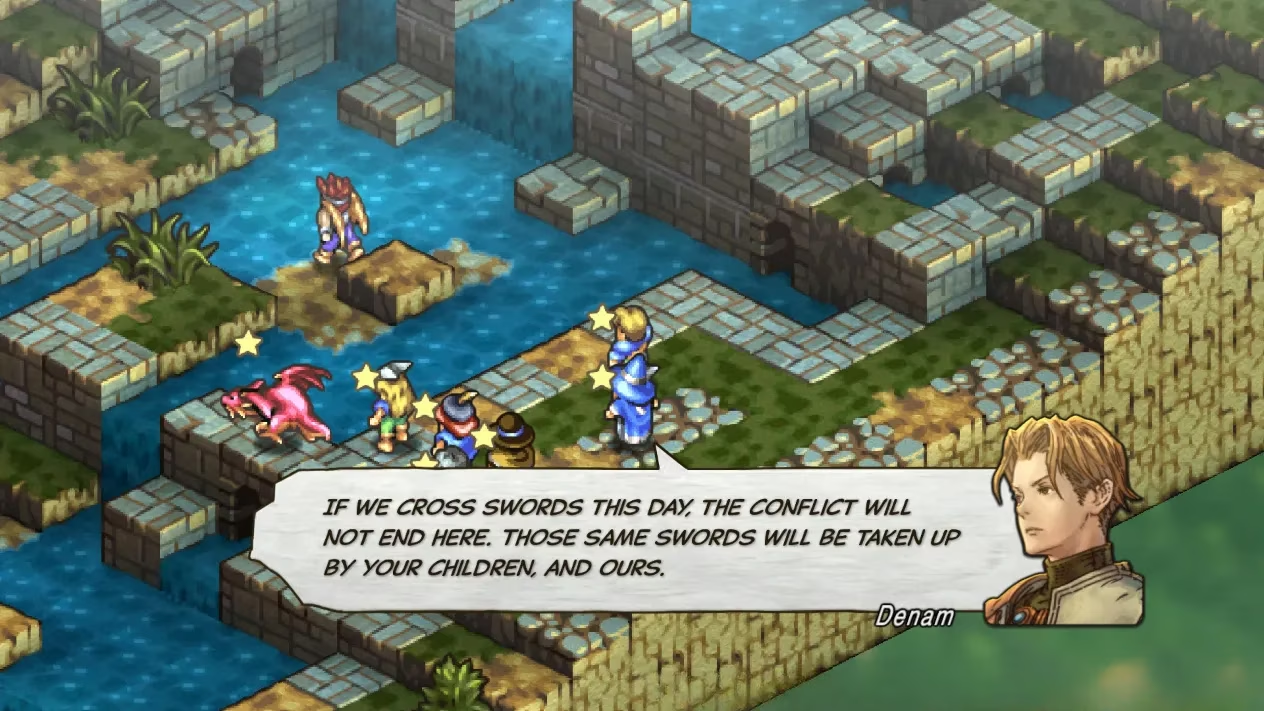
Combat: Tie
Combat is central to any strategy RPG, and both titles succeed. Triangle Strategy borrows granular elements from Tactics Ogre but builds a substantially different overarching system. It emphasizes cooperation between units, keeping them closer together compared with the scattered approaches often used in Tactics Ogre. Positioning remains critical throughout each battle in Triangle Strategy, and its interactive fields allow elemental spells to alter tiles and turn mages into fire-starters. That simple change creates a distinct tactical paradigm. Tactics Ogre: Reborn, by contrast, is the pure culmination of ideas from the original game, offering a wider-range and somewhat slower style that still holds up beautifully. Neither game clearly outshines the other in this department, so the category ends as a tie.
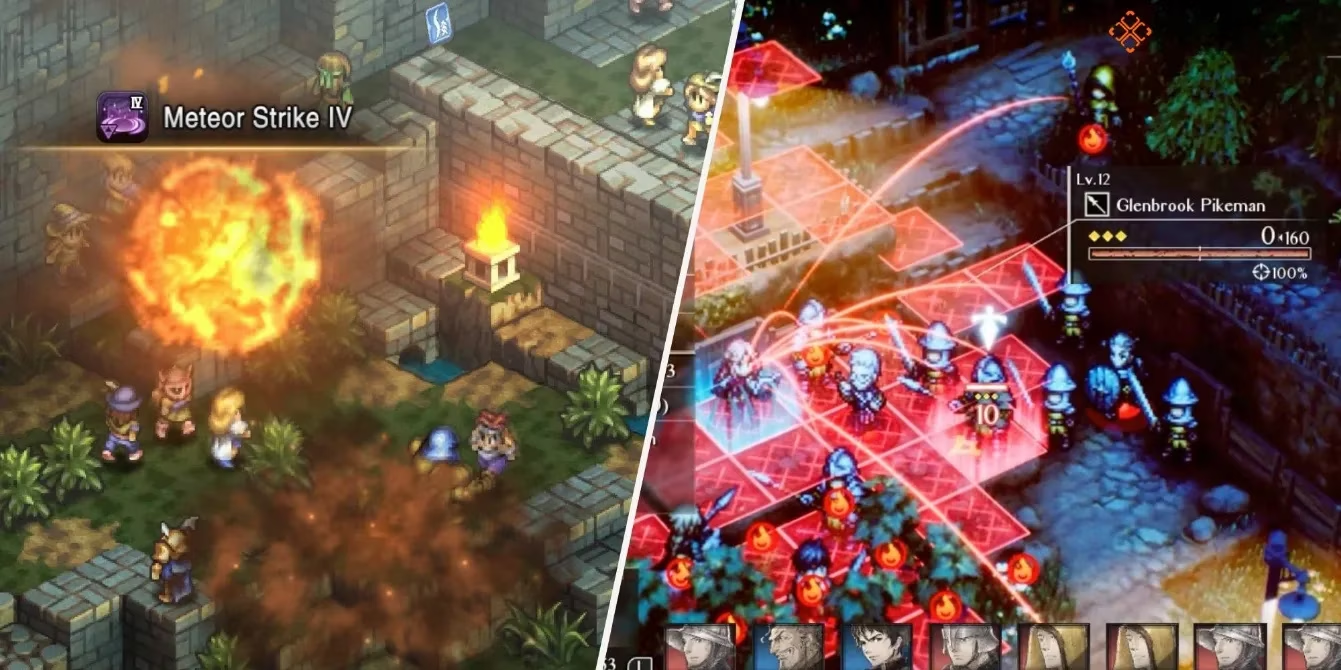
Visuals: Triangle Strategy
Tactics Ogre: Reborn benefits from Akihiko Yoshida's timeless portraits and increased resolution, but two issues hold it back visually. First, a smoothing filter over character sprites gives them an odd appearance, even if it looks better in motion than in screenshots. Second, Triangle Strategy simply looks gorgeous. The HD-2D engine, introduced in Octopath Traveler and used repeatedly by Square Enix since, provides a stunning presentation. Some fans dislike the harsh lighting and bloom, but the overall reception has been overwhelmingly positive. Triangle Strategy's darker palette suits the war-torn land of Norzelia, making it the clear winner here.
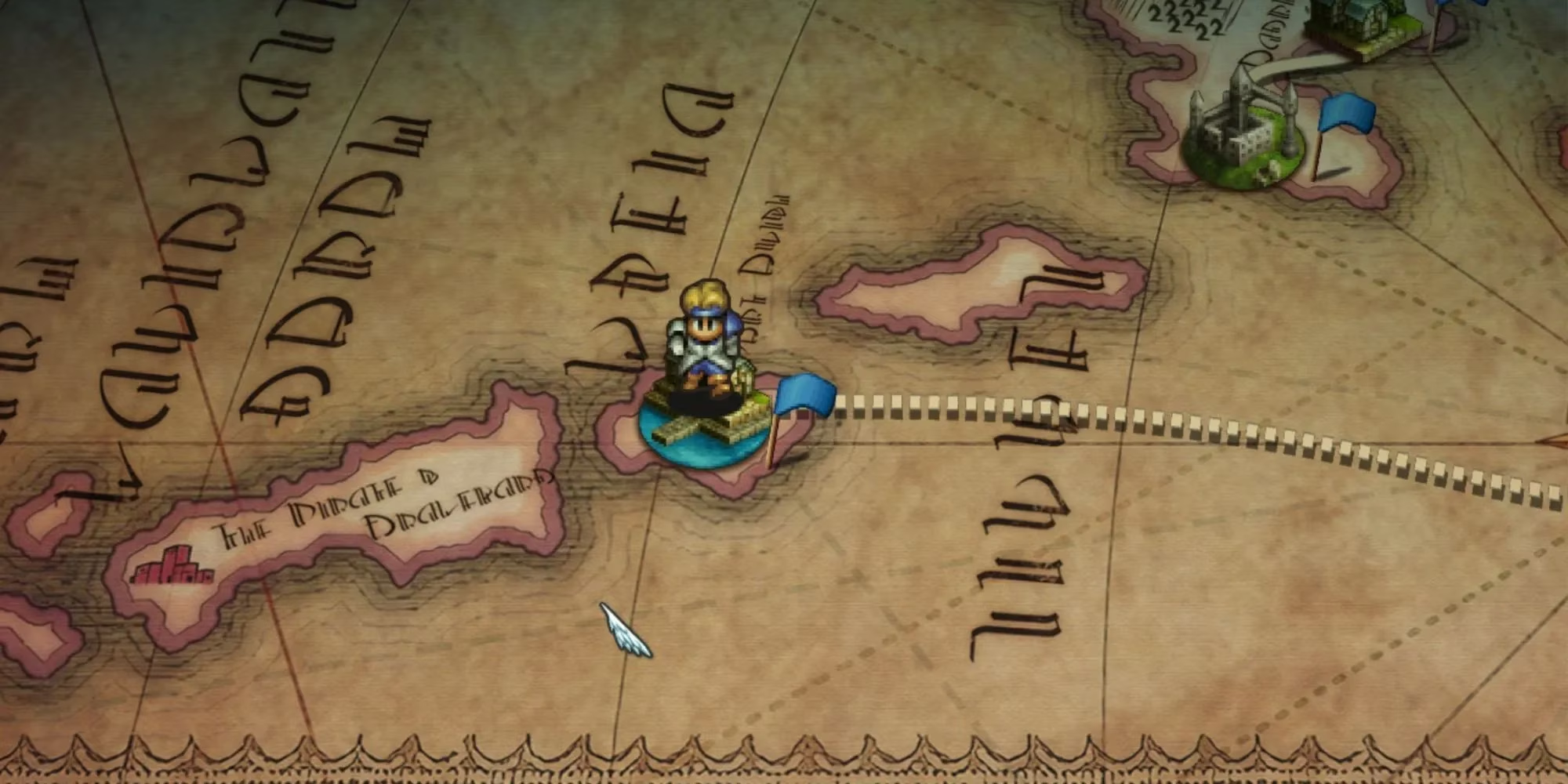 .jpg>)
Music: Tactics Ogre: Reborn
Akira Senju's score for Triangle Strategy is strong and full of triumphant tunes, but Hitoshi Sakimoto's Tactics Ogre soundtrack is an all-time classic. Battle tracks and story scenes land with perfect emotional weight because Sakimoto knew exactly which note to play. Reborn's audio attention deserves special praise. Every track has been orchestrally rearranged, and unlike many similar projects, there is not a weak piece among the 74 songs. Players can even hover over the in-game music player to learn how the composers approached each arrangement. This level of care makes Tactics Ogre: Reborn the easy winner for music.
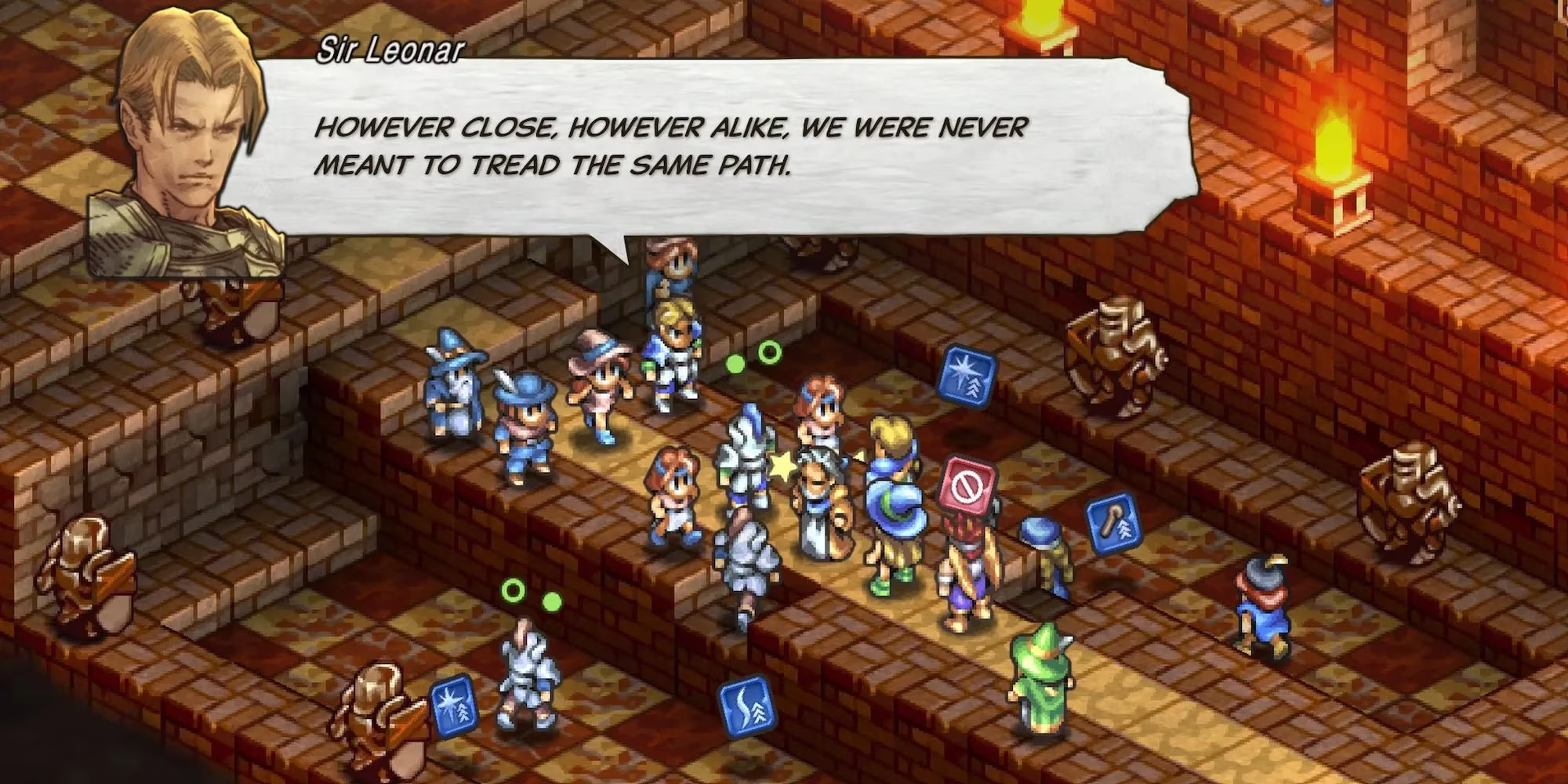
Story: Tactics Ogre: Reborn
Final Fantasy Tactics may have made Yasumi Matsuno famous worldwide, but long-time fans often argue that Tactics Ogre remains his strongest narrative work. Matsuno blends classism, racism, nihilism, narcissism, and transcendentalism into the story of Valeria and its cultures. The drama comes from conflicting ideals among convincing human beings, with supernatural elements used more sparingly than in Final Fantasy Tactics. Triangle Strategy tells an excellent political story and handles similar themes well, but it does not quite scale the same mountain. For sheer narrative depth, Tactics Ogre: Reborn takes the category.
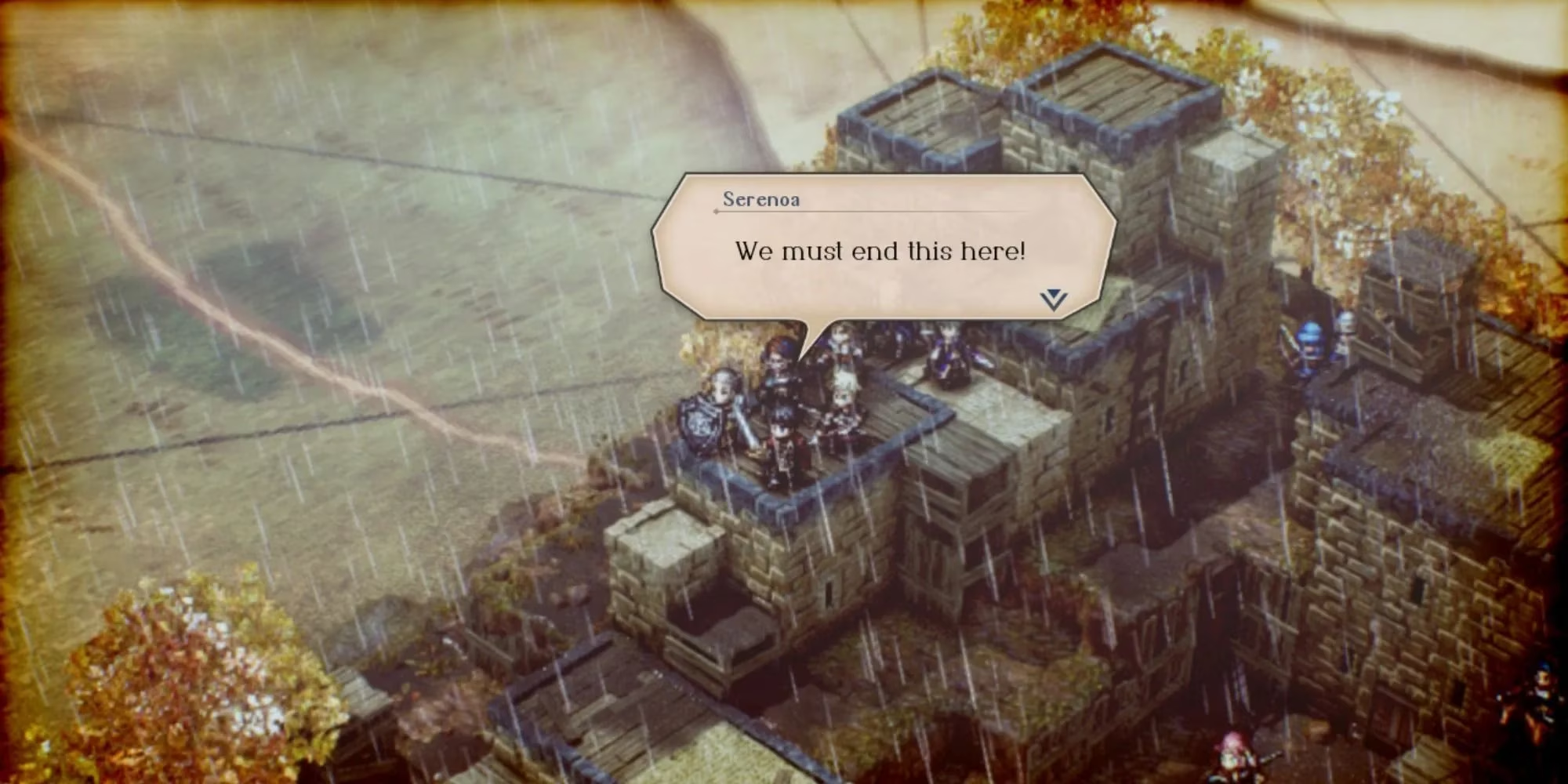
Verdict
A quick glance might suggest that Tactics Ogre: Reborn ran away with the crown, but that would be unfair to Triangle Strategy. In most categories the gap is narrow, and Triangle Strategy remains an excellent successor in its own right. Players who have the chance should try both, but if only one can be chosen, Tactics Ogre: Reborn is the classic that cannot be beaten. In 2026, both games merit full playthroughs, but the original inspiration still edges out its spiritual successor where it matters most.
Summary Table
| Category | Winner |
|---|---|
| Cast | Tactics Ogre: Reborn |
| Combat | Tie |
| Visuals | Triangle Strategy |
| Music | Tactics Ogre: Reborn |
| Story | Tactics Ogre: Reborn |
Data referenced from HowLongToBeat helps frame the blog’s “hundred hours” question in practical terms: players weighing Tactics Ogre: Reborn against Triangle Strategy often care less about which game wins more categories and more about how long a first run, optional recruits, and postgame cleanup realistically take, especially when branching routes and tactical experimentation can expand total playtime well beyond a straightforward credits roll.