
While the heroic, world-saving protagonist is a classic fantasy archetype, the world of Dungeons & Dragons video games offers a much richer, and often more thrilling, tapestry of moral complexity. For players in 2026 looking to explore narratives beyond the shining knight, several standout titles provide deep, engaging systems that not only allow but actively encourage you to walk the path of shadows, manipulation, and outright villainy. These games transform the player's journey from a simple tale of good versus evil into a personal exploration of power, consequence, and what it truly means to embrace a darker alignment.
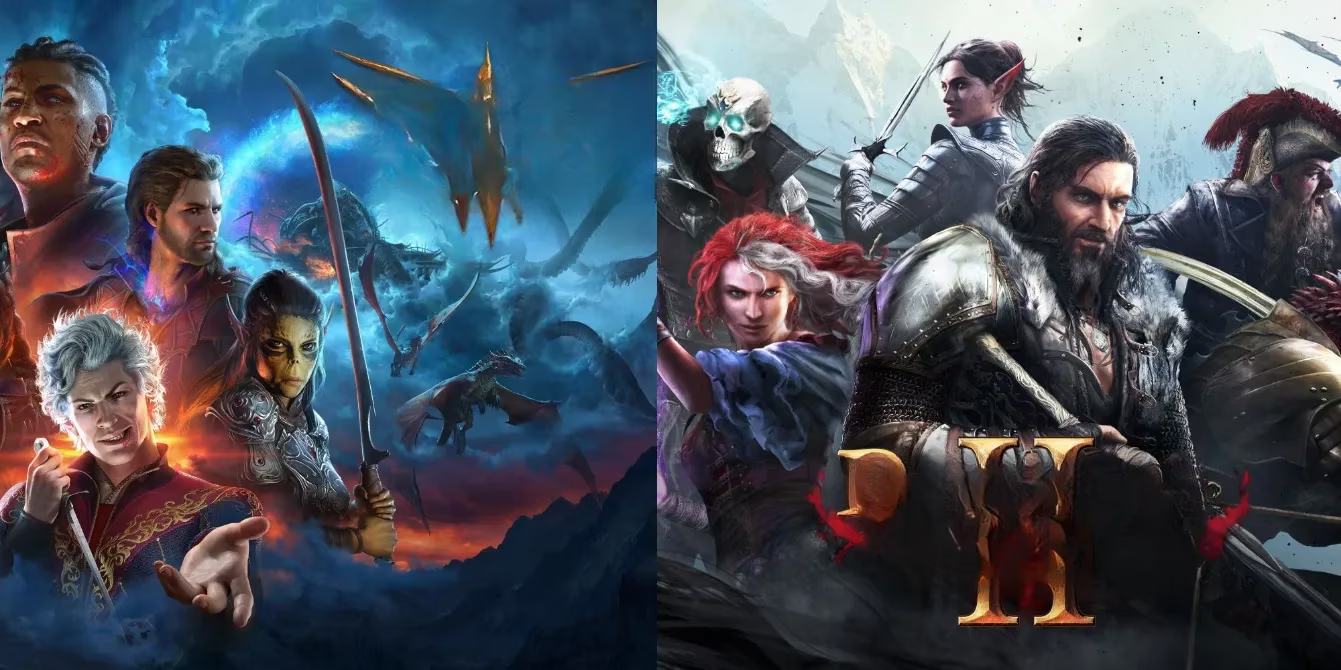
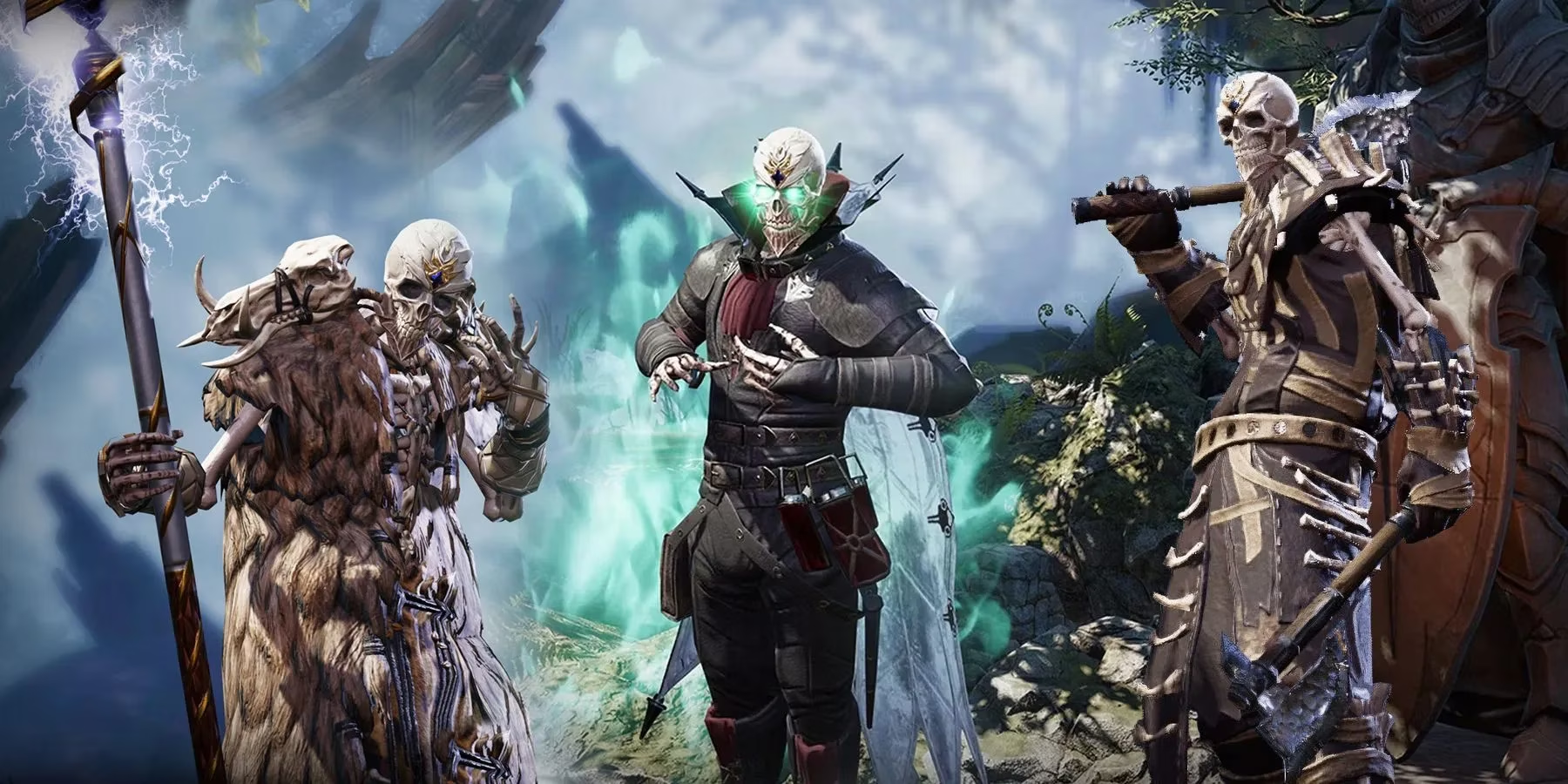
First on the list, and arguably the spiritual successor to classic D&D experiences, is Divinity: Original Sin 2. While not bearing the official D&D branding, Larian Studios' masterpiece captures the essence of tabletop freedom perfectly. 😈 The game throws you into the shoes of a Sourcerer, a being of immense power, and asks a simple question: what will you do with it? The world of Rivellon is your sandbox, and its inhabitants are often your playthings.
-
Unrestrained Mayhem: There's no rigid "alignment chart" policing your actions. Want to murder a key quest-giver for their unique loot? Go ahead. Feel like betraying your companions and usurping godhood for yourself? The game not only allows it but weaves compelling narratives around such choices.
-
The Joy of Consequence: Your evil deeds ripple through the world. Towns may close their gates to you, certain companions will leave (or try to kill you), and entire story arcs open or close based on your cruelty. It’s a deeply reactive system that makes villainy feel impactful, not just edgy.
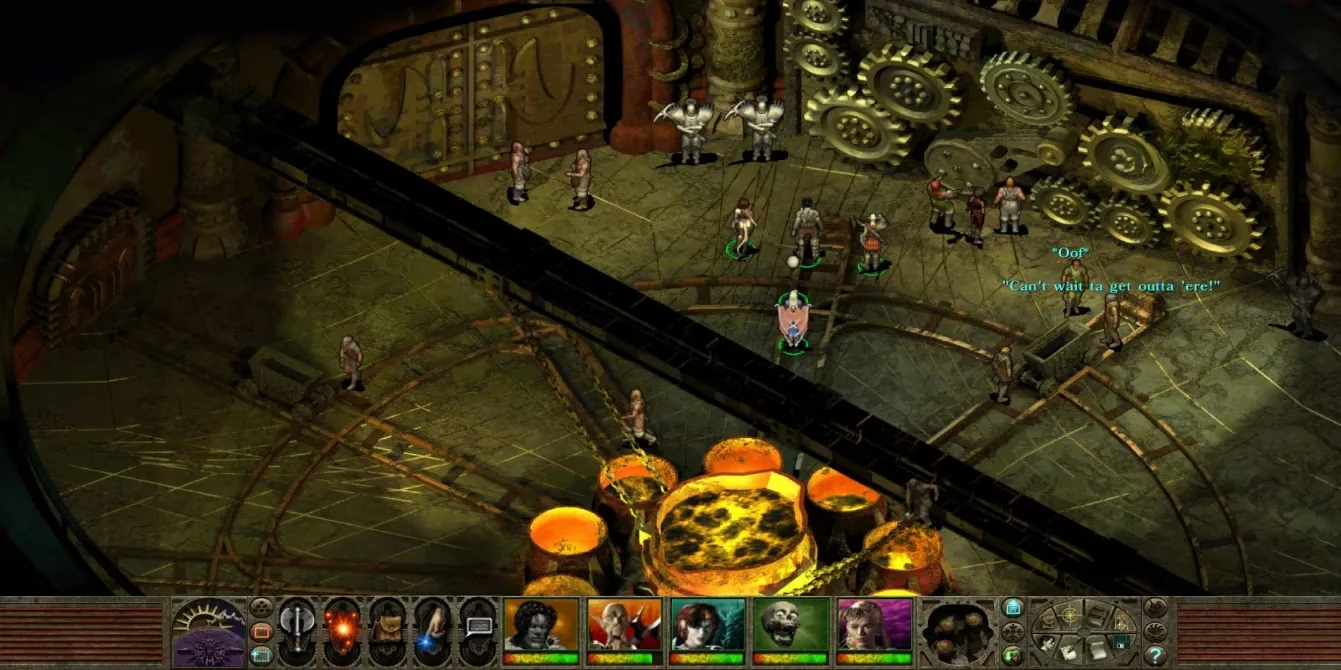
For a truly foundational and philosophically dark experience, we must look back to the cult classic, Planescape: Torment. This game isn't about dungeon crawling; it's a story-driven journey through surreal planes of existence, centered on the Nameless One—an immortal amnesiac searching for his past. This premise is the ultimate blank slate for moral exploration.
What makes Planescape: Torment exceptional for evil playthroughs is its intellectual approach to wickedness. You can be a petty, violent thug, but the game truly shines when you engage in manipulation, betrayal, and philosophical corruption. You can convince companions to damn themselves, break the spirits of hopeful NPCs with cynical logic, and pursue power at the absolute cost of others. The evil here feels cerebral and weighty, challenging you to think about what "evil" truly means in an infinite multiverse. 🤔
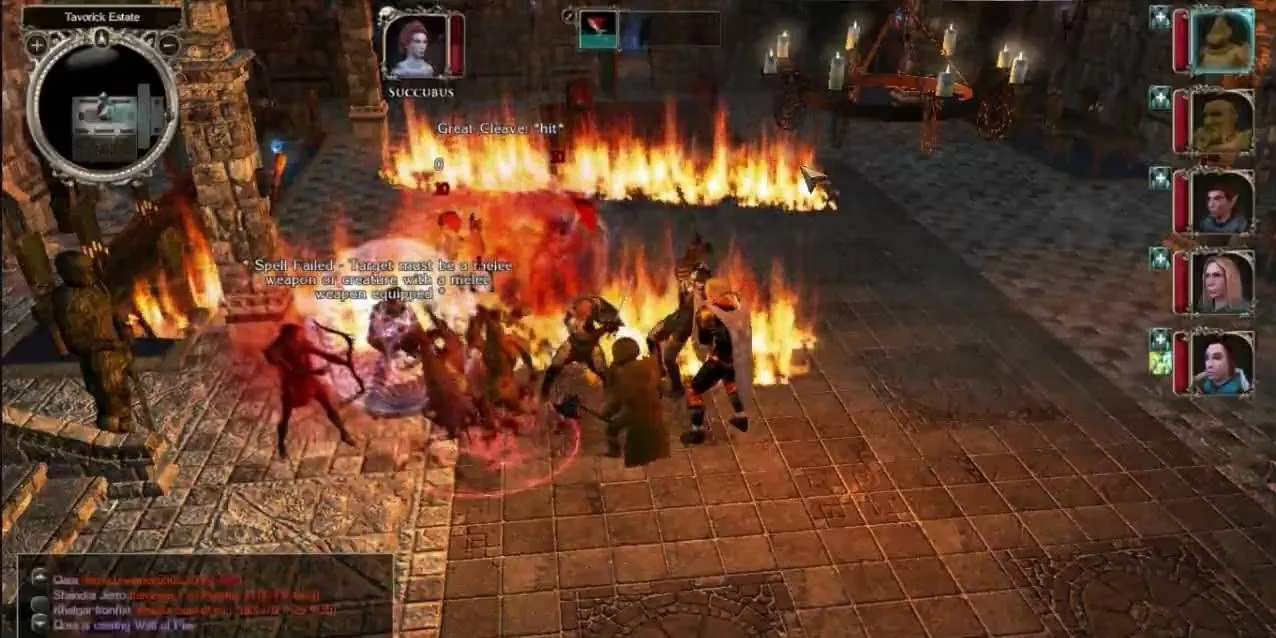
Stepping into a more traditional heroic fantasy setting, Neverwinter Nights 2 presents a classic tale of a hero rising to confront the King of Shadows. However, the path to that confrontation is riddled with moral forks. The base game offers plenty of opportunities for greed, callousness, and ruthless pragmatism, but the real masterpiece for evil players is its expansion, Mask of the Betrayer.
This DLC introduces a genius mechanic: a Spirit Eater curse that gives you power but demands you feed on souls. 🍽️ This isn't a simple morality meter; it's a visceral, mechanical need that justifies and encourages evil actions. Will you feed on innocent spirits to sate your hunger, or seek out powerful, evil ones? The expansion weaves this mechanic into a story about curses, gods, and betrayal, making a power-hungry, selfish character not just an option, but a narratively compelling one.
Sometimes, you don't want philosophical debates or soul-consuming curses—you want to lead a party of ruthless mercenaries into a frozen hell and take what you want. That's the vibe of Icewind Dale. Often overshadowed by Baldur's Gate, this game is a combat-focused dungeon crawler set in the frigid north. You create your entire party of up to six characters from scratch, meaning you can engineer a band of chaotic evil cutthroats, lawful evil disciplinarians, or anything in between.
The evil here is straightforward and rewarding. Choosing cruel dialogue options or attacking neutral parties can yield unique, evil-aligned magical items you'd otherwise never see. Sure, friendly NPCs might turn hostile and some quests may lock out, but the trade-off is raw power and the sheer fun of roleplaying a group that's in it for themselves, consequences be damned. ❄️⚔️
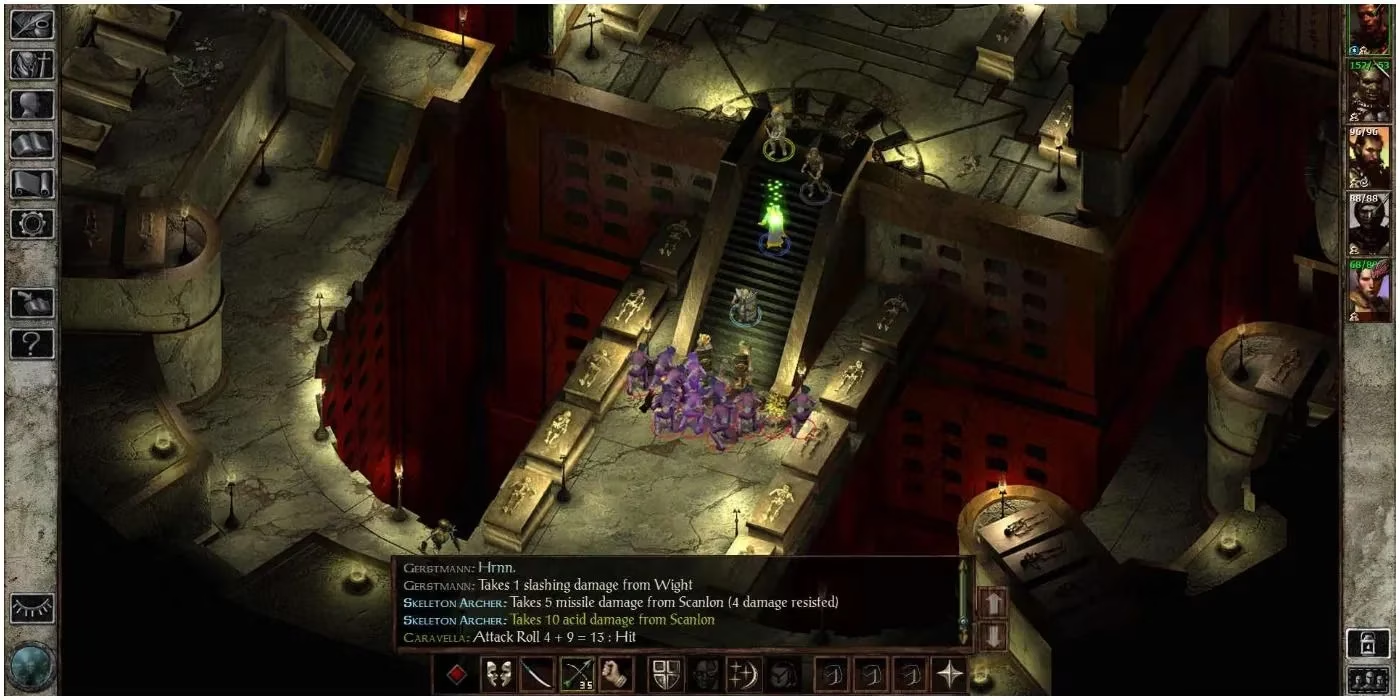
For purists who crave the authentic 3rd Edition D&D ruleset, The Temple of Elemental Evil is the go-to. Based on the legendary module, the game is a brutally faithful adaptation where tactical combat is king. The plot involves cleansing a temple of great evil, which seems like a job for heroes. Yet, the character creation screen lets you pick your alignment immediately, including Lawful Evil, Neutral Evil, and Chaotic Evil.
This choice isn't cosmetic. Your alignment affects dialogue, how NPCs react to you, and even which classes you can multi-class into. Playing evil means embracing a different kind of challenge: you might have to intimidate or deceive your way through social encounters, and some "good" solutions are locked away. It's a hardcore experience that proves you can follow the main quest of defeating a greater evil while being a lesser (but still significant) evil yourself.
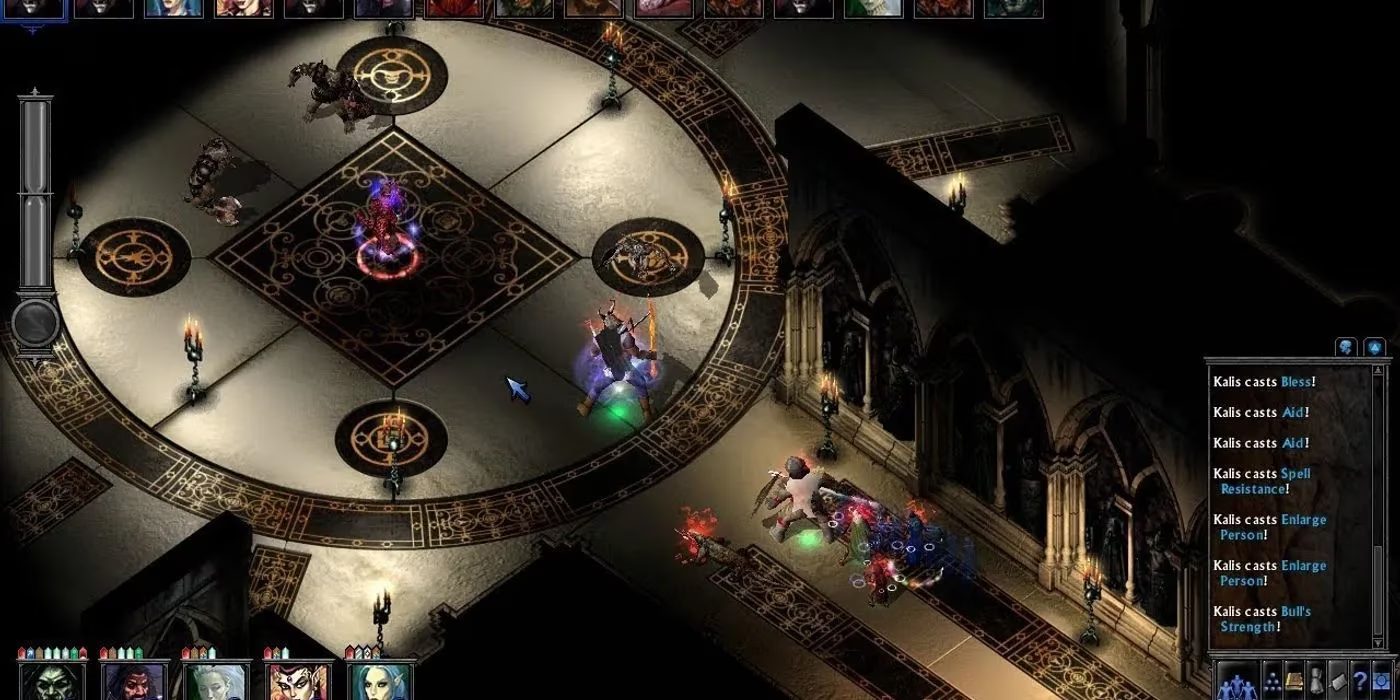
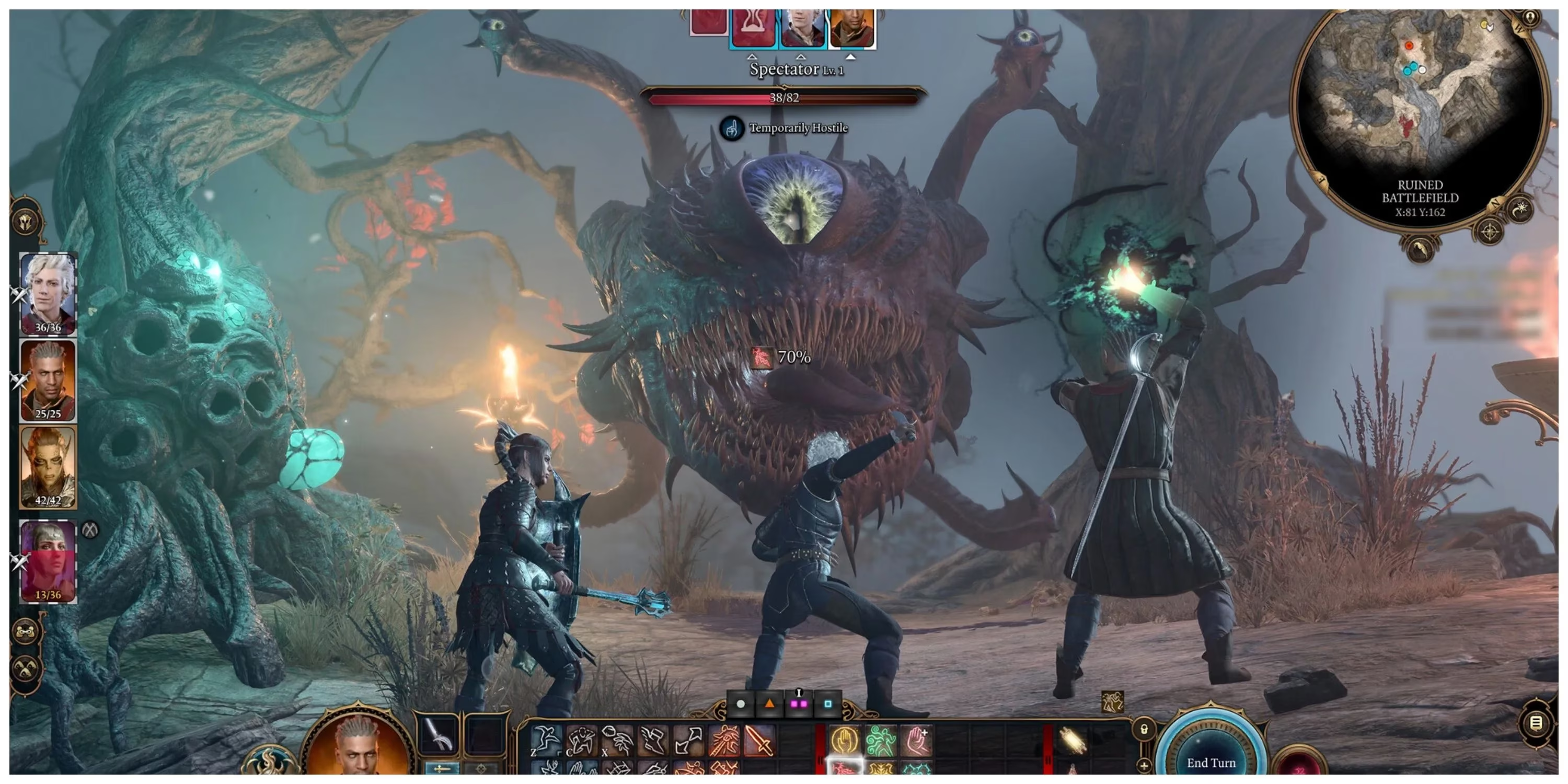
And now, we come to the modern titan that has redefined the genre: Baldur's Gate 3. Larian Studios took everything they learned and delivered a D&D 5e experience of unprecedented depth and reactivity. For the aspiring villain, it offers not one, but two profound ways to explore darkness.
First, any custom or Origin character can make a litany of evil choices: betraying allies, siding with malevolent forces, sacrificing innocents for power. Companions like Astarion and Minthara have rich narratives that flourish on a dark path. But the crown jewel is the Dark Urge Origin. This isn't just a personality quirk; it's a core part of your character's being—an irresistible, violent compulsion woven into the main story. 🩸
-
A Personal Horror Story: The Dark Urge forces you to wrestle with internal monstrosity. You can resist the urges for a tragic struggle, or give in for terrifying power and story outcomes unavailable anywhere else.
-
Unparalleled Reactivity: The world remembers your atrocities in stunning detail. NPCs will flee from you in terror, comment on your reputation, and entire regions can change based on your monstrous acts.
Playing evil in Baldur's Gate 3 isn't a side activity; it's a fully realized, narratively rich parallel campaign that stands as one of the most compelling villain journeys in gaming history.
| Game | Type of Evil Experience | Key Feature for Villains |
|---|---|---|
| Divinity: Original Sin 2 | Sandbox-Style Anarchy | Unrestricted freedom & world reactivity |
| Planescape: Torment | Philosophical Corruption | Intellectual manipulation & moral choices |
| Neverwinter Nights 2 (Mask of the Betrayer) | Cursed Hunger Narrative | Spirit Eater mechanic that demands evil acts |
| Icewind Dale | Ruthless Party Management | Build a full evil party & gain unique loot |
| Temple of Elemental Evil | Rules-First Purity | Authentic D&D alignment systems & restrictions |
| Baldur's Gate 3 | Cinematic, Reactive Darkness | Dark Urge origin & unparalleled story consequences |
In 2026, the legacy of these games shows that the best D&D experiences are those that give players true agency, including the agency to be the villain of the story. Whether you seek strategic power, narrative depth, or just the thrill of unabashed chaos, there's a dark path waiting for you. So, roll for initiative, and let your inner villain shine. After all, saving the world is overrated. 😉